
Occupational Therapy

Building the everyday skills your child needs to move, focus, and thrive.
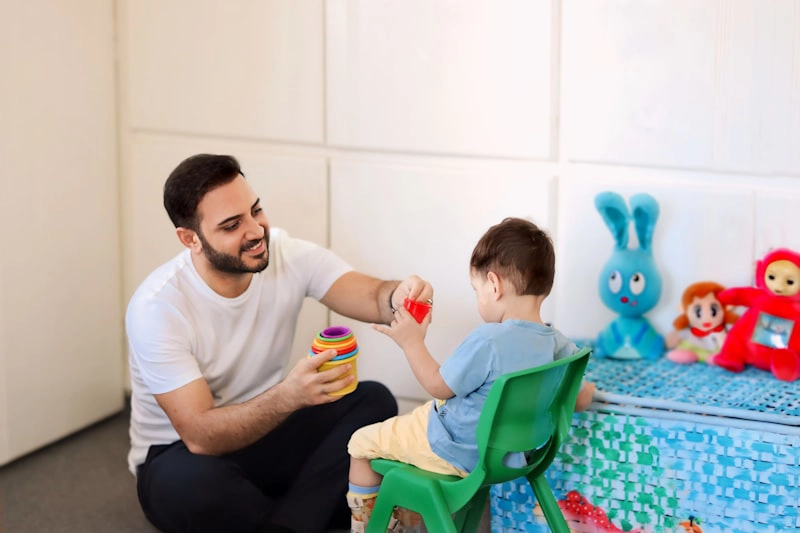
Our licensed occupational therapists help children build fine motor skills, sensory regulation, and everyday independence, through playful, purposeful sessions that meet your child right where they are.
What Is Occupational Therapy

Real Skills for Real, Everyday Moments

Pediatric occupational therapy helps children build the fine motor, sensory processing, and self-regulation skills they need to participate confidently in everyday life, at home, at school, and at play. At CSLL, our licensed occupational therapists (OTs) work with children who struggle with tasks like handwriting, using scissors, buttoning a shirt, sitting still at a desk, or managing sensory input like loud sounds or certain textures.
Occupational therapy isn’t about “fixing” a single skill in isolation. Our OTs look at how a child’s motor planning, muscle strength, sensory processing, and attention all work together, then build a plan around the specific combination that’s holding your child back. Whether your child needs support with handwriting, coordination, or feeling regulated enough to focus in a classroom, therapy is built around real tasks that matter in their daily life.
Sessions are hands-on and playful by design, because children build lasting skills fastest when they’re engaged and having fun, not when they’re being drilled through repetition.
Is It Time for an Evaluation?

Signs Your Child May Benefit From Occupational Therapy

Every child develops motor and sensory skills at a different pace, but a few patterns are worth a closer look:
Difficulty holding a pencil or forming letters
Overwhelmed by certain textures, sounds, or movement
Struggles with buttons, zippers, or shoe-tying
Appears clumsy or avoids playground equipment
Has trouble sitting still or staying focused in class
Becomes easily overwhelmed in busy or loud environments
If several of these sound familiar, a comprehensive evaluation can help pinpoint exactly what’s happening, and exactly what will help.
What We Treat

Areas of Development We Support

Every plan is tailored, but most therapy falls into one or more of these core areas.
✍️

Fine Motor Skills

Strengthening the hand and finger control needed for handwriting, cutting, buttoning, and other everyday tasks.
🎧

Sensory Processing

Helping children understand and regulate how they respond to touch, sound, movement, and other sensory input.
🪥

Self-Care & Daily Living

Building independence with dressing, feeding, grooming, and other routines that support confidence at home.
🤸

Visual-Motor & Coordination

Improving hand-eye coordination, balance, and body awareness for schoolwork, sports, and active play.
How It Works

What to Expect From Occupational Therapy at CSLL

A clear, guided path from first evaluation to lasting everyday skills.
1

Initial Evaluation

We assess fine motor, sensory, and coordination skills through standardized testing and hands-on observation.
2

Personalized Plan

Your OT builds specific goals tied to the everyday tasks that matter most for your child and family.
3

Purposeful, Playful Sessions

Movement, textures, and hands-on activities build strength and regulation naturally, through play.
4

Home & School Carryover

You’ll get practical strategies to support your child’s progress beyond the therapy room.
Why CSLL

Why Families Choose CSLL for Occupational Therapy

Families choose CSLL because our occupational therapists treat the whole child, not just a single skill. You’ll work with a consistent therapist who understands your child’s sensory profile and coordinates closely with your family and school team.
We track progress with clear, practical updates, so you always know what’s improving and what’s next. And because our occupational therapists work alongside our speech-language pathologists and EIDBI specialists under one roof, your child’s care stays coordinated even when their needs cross multiple areas of development.
Consistent, dedicated occupational therapist
Sensory-informed, whole-child treatment plans
Coordination with teachers and caregivers
Practical strategies for home and school
Questions, Answered

Occupational Therapy FAQs

Common questions parents ask before starting occupational therapy at CSLL.
At what age can occupational therapy start?

Occupational therapy can begin in infancy for feeding or motor concerns, though most pediatric referrals start between ages 2 and 8, when fine motor and sensory challenges become more noticeable at home or school.

Sessions are hands-on and playful, using movement, games, and purposeful activities. A single session might include swinging, hand-strengthening games, and handwriting practice, all tailored to your child’s specific goals.

Sensory processing differences are a well-recognized area of pediatric care. Our occupational therapists assess and treat sensory challenges based on how they affect your child’s daily functioning, regardless of formal diagnostic labels.

Yes. With your permission, we’re glad to share strategies and updates with teachers or school-based occupational therapists so support stays consistent across environments.

waveform

Let’s Help Your Child Build Everyday Confidence

Schedule a free consultation today and take the first step toward stronger, more independent daily skills.